What is patience?
Patience in yoga is not only about holding a posture longer, sitting quietly in meditation or waiting for the body to become flexible. These are only the training grounds. The real purpose of patience in yoga is to help us exercise patience in life.
Yoga is not separate from daily living. It is not something we practice for one or two hours and then forget when we face family responsibilities, emotional difficulties, delays, uncertainty, illness, ageing, disappointment, or change. If patience remains only on the mat, then the practice has not yet matured.
At Vedic Yoga Centre, Rishikesh, we offer traditional Himalayan Vedic Yoga as the path towards self-awareness and inner transformation. Asana, pranayama, kriya, meditation, mantra, satsang, kirtan, silence and Ayurveda are not taught as separate techniques for short-term relief. They are part of a comprehensive discipline that helps students live more consciously, particularly when life does not unfold as we expect.
Why patience in yoga is really patience in life
Many people begin yoga with a strong desire for change. They want flexibility, peace, health, healing, clarity or spiritual experience. There is nothing wrong with this. However, if the mind becomes too attached to quick results, yoga becomes another form of impatience.
The body may not open as quickly as we want. The mind may not become quiet immediately. The breath may feel unsettled. Old habits may continue. Emotional patterns may still arise.
This is where the real practice begins. Our impatience in yoga reflects our impatience in life. We become impatient with our body and mind, with other people, as well as with life’s timing. We become impatient in our practice, our relationships, our work and our responsibilities.
If we can’t remain patient with our own breath for a few minutes, how will we remain patient when someone accuses us of something? If we are unable to observe our own noisy mind, how will we understand another person’s difficulties? If we cannot accept our progress in yoga, how will we accept the natural timing of life?
Patience in yoga trains us to stop reacting blindly. It teaches us to pause, observe and respond with awareness to our body and mind.
Vedic Yoga Centre teaches patience through sadhana
At Vedic Yoga Centre, patience is developed through sadhana. Sadhana means regular, sincere spiritual practice. It is not occasional enthusiasm, but the steady discipline of returning again and again to the practice, even when the mind resists.
The practices of yoga, pranayama, meditation, kriya, mantra, journalling, self-analysis and seva (selfless service) gradually refine the body, breath, mind and awareness. These practices are a key element of all Vedic Yoga Centre programs, from our Beginner Yoga Courses to our Yoga & Meditation retreats, and our deeper level offerings such as Yoga Teacher Training.
Yoga does not bring something new into us. It helps us nourish what is already present within. However, just as a seed needs the right conditions, water, light and time, our inner seed also needs patience. We do not dig up our newly-planted seed every day to check whether it is growing. We trust the process, watering it, protecting it, and allowing time to do its work.
In the same way, spiritual growth requires regular watering. We continue to practise, observe the outcome, correct ourselves and continue. With patience, intellectual understanding becomes our lived experience – the bridge between effort and realisation.
Non-expectation
Non-expectation does not mean carelessness or inconsistency. It does not mean we stop practising or stop caring about growth. It means we do our duty sincerely without becoming mentally disturbed by the result.
If we practise only because we want a specific outcome, then we become restless. We keep measuring, comparing and demanding. But if we practise with sincerity but without expectation, the practice flows more easily, the mind becomes less agitated, and the heart becomes more accepting of the natural unfolding of the journey.
Patience with expectation creates tension, while patience without expectation becomes surrender – this does not mean passive waiting, but steady effort with trust.
This teaching also applies to life. We make the effort in our work and family, and serve where we can, but we also accept that the results are not always in our control.
Yoga trains us to exist in a greater state of balance.
The Vedic Yoga Centre approach to inner growth
At Vedic Yoga Centre, Rishikesh, practice is not treated as performance. It is not about showing how advanced the body is or how spiritual the personality appears. The purpose is inner growth – and this is not always comfortable.
Everyone faces difficulties on the spiritual path. Many people forget that even wise seekers and realised beings had to face struggle, discipline and inner confrontation along their journey. The details may differ, but the conflict remains the same.
Every sincere practitioner must face the mind’s resistance and embrace the steps of the journey – this is the test of patience.
Yoga does not remove difficulty from life. It teaches us how to face difficulty with courage, awareness and steadiness.
The test of patience in spiritual practice
On our spiritual path, deeply ingrained thought patterns and behaviours try to pull us back into old ways of being. These patterns have often been repeated for many years, so they do not disappear simply because we understand a teaching intellectually. It is due to our lack of experience that patience is necessary.
Effort and discipline are important, but without patience we cannot persevere when obstacles arise. However, with patience, students can learn not to give up, but to observe the hurdles and accept that transformation is a slow process.
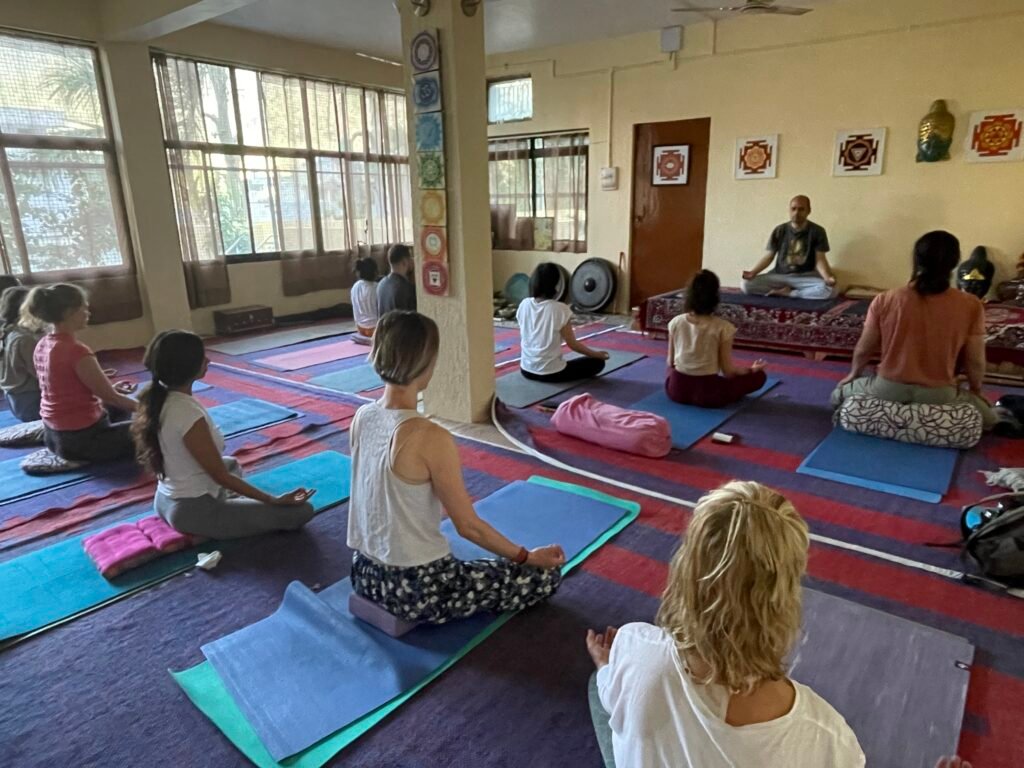
Patience cannot be cultivated just because we want it. It has to be earned. We have to acknowledge our present condition first: How does the mind work? Where does it wander? What triggers impatience? Where does resistance to the present moment come from?
The mind naturally wanders here and there. This is its habit. But with patient attention, we can slowly bring it back to the present moment. We do this repeatedly until the mind begins to find steadiness there.
How well we redirect the mind into the present moment determines how well we can channel our energy towards our goal.
This concept does not only apply to meditation – it is for life.
Training the body with reality
In asana practice, the body teaches us patience in a very practical way.
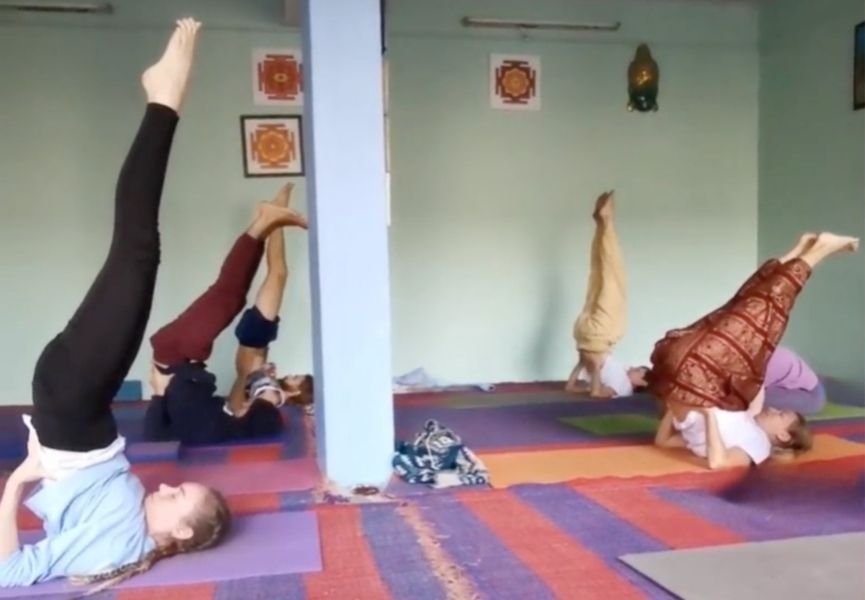
Some days the body feels open. Some days it feels stiff. Some postures are easy. Others reveal limitations. Sometimes there is strength. Sometimes there is tiredness. A restless mind becomes frustrated by this. It wants the body to obey immediately. It wants progress without time or progress.
Yoga teaches a different way. We learn to observe the body without judgement. We apply effort without violence, and we accept limitations, but not laziness. This same understanding is needed in life. People, situations, time and circumstances all have their limitations. The body ages. Not everything moves according to our plan.
Patience in yoga teaches us how to meet reality without constant resistance, which means acting with steadiness from wherever we are.
Patience with our emotions
The breath is closely connected with our emotions. When we are angry, fearful, anxious or restless, the breath changes. With steady breathing, the mind and emotions begin to settle.
In pranayama, we first learn to observe. Then, slowly, with guidance and regular practice, the breath becomes longer, smoother and more refined. This practice of observation is also part of our training for life.
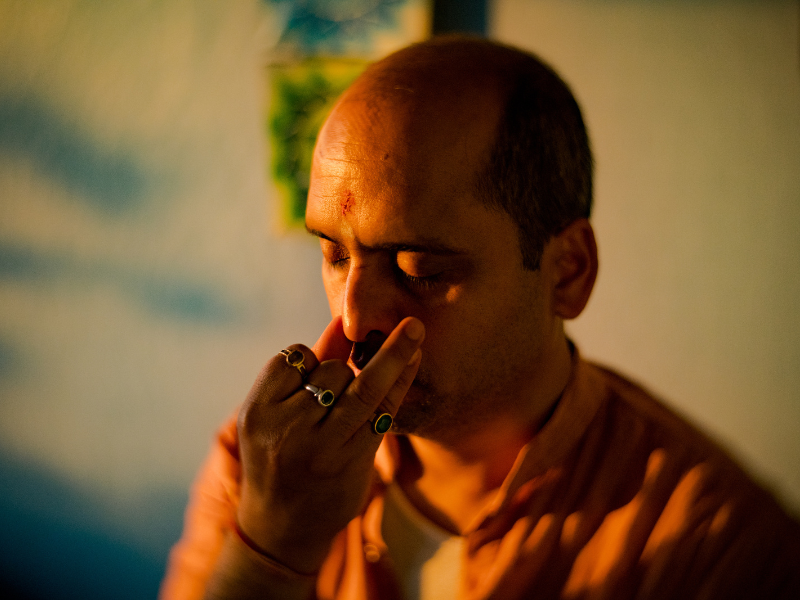
When someone criticises us, when life changes our plans, or when emotions arise, patience gives us space to stop before reacting. We are able to become aware of our emotions instead of being ruled by them. Yoga does not ask us to suppress what we feel. It teaches us to become conscious enough to respond from clarity rather than habit.
A person who can breathe patiently through discomfort in their practice slowly learns to do so through discomfort in life.
Learning patience towards others
The mind is restless by nature, moving between memory, imagination, fear, desire, judgement and expectation. It is only when we sit for meditation that we discover how unsettled the mind really is. This can be humbling.
However, many people become discouraged because they expect meditation to bring instant silence. But meditation is not a battle against thought. It is the patient training of awareness.
Each time the mind wanders, we bring it back. Each time thoughts carry us away, we return to the breath, a mantra, or a chosen point of attention. These small returns build inner strength.
This strength is needed in relationships. Most conflict happens because people react too quickly. They hear one sentence and immediately defend, attack, explain or withdraw. They do not listen. They react from old conditioning.
Meditation trains the gap between impulse and action. In that gap, patience becomes possible.
Patience with our own mind helps us understand that everyone is struggling with thoughts, habits and emotions. This understanding brings maturity.
Vedic Yoga Centre and the discipline of silence
Silence is one of the strongest ways to understand impatience.
As external noise decreases, our inner noise becomes more apparent. We see how much the mind wants distraction, and how quickly it wants to speak, explain, justify or escape.
At Vedic Yoga Centre, our meditation cave, Devi Gufa, has been created as a space for individual concentration, self-observation and inner silence. Such a space reminds us that silence is not emptiness. It is discipline.
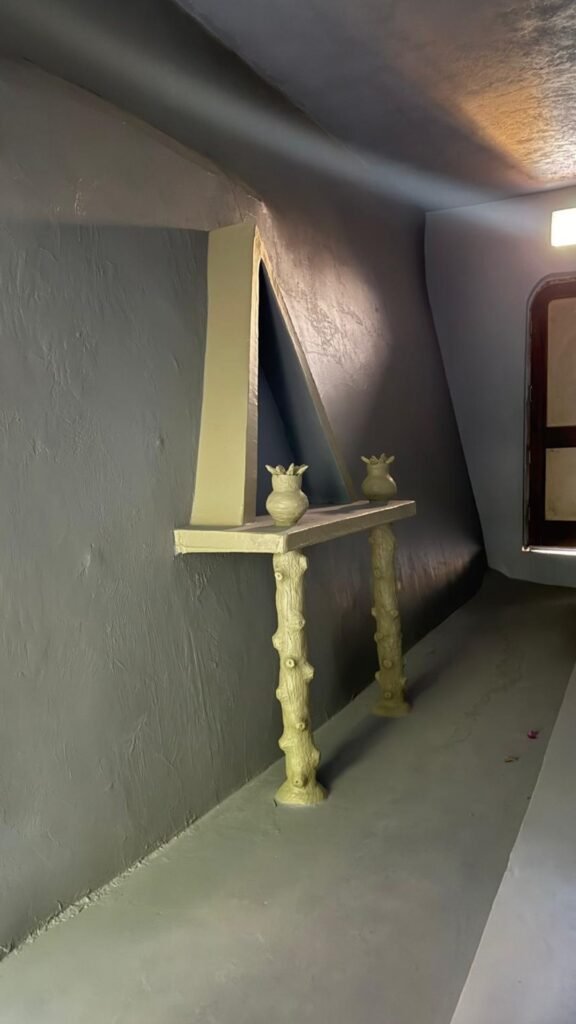
We learn patience through silence because here, we cannot run outward. We are forced to observe what is happening within. Initially, this feels uncomfortable, but with patience, it becomes our teacher. Then in daily life, we become less controlled by the need to react immediately. We learn to speak with more care, listen more deeply, and especially recognise that not every situation needs a response – this is yoga in practice.
Acceptance of change
To learn patience, we simply need to observe nature: seasons change; rivers flow; seeds become trees; flowers bloom and fade; day turns into night; life moves in its own rhythm.
Nature teaches that everything is temporary. When we understand this, we can accept that our current difficulties will also pass. The emotions that overwhelm today will also change. A situation that feels fixed can also shift with time.
But spiritual life does not mean avoiding difficulty. It means facing it with courage and awareness, accepting reality as it is, while still taking conscious steps towards transformation.
Living with family and daily responsibilities
The real test of yoga is not on the yoga mat but in family life and daily responsibility.
It is easier to appear peaceful in a quiet room, but much harder to remain patient when there are misunderstandings, travel delays, financial pressure, illness, ageing parents, children, work demands and different personalities around us.
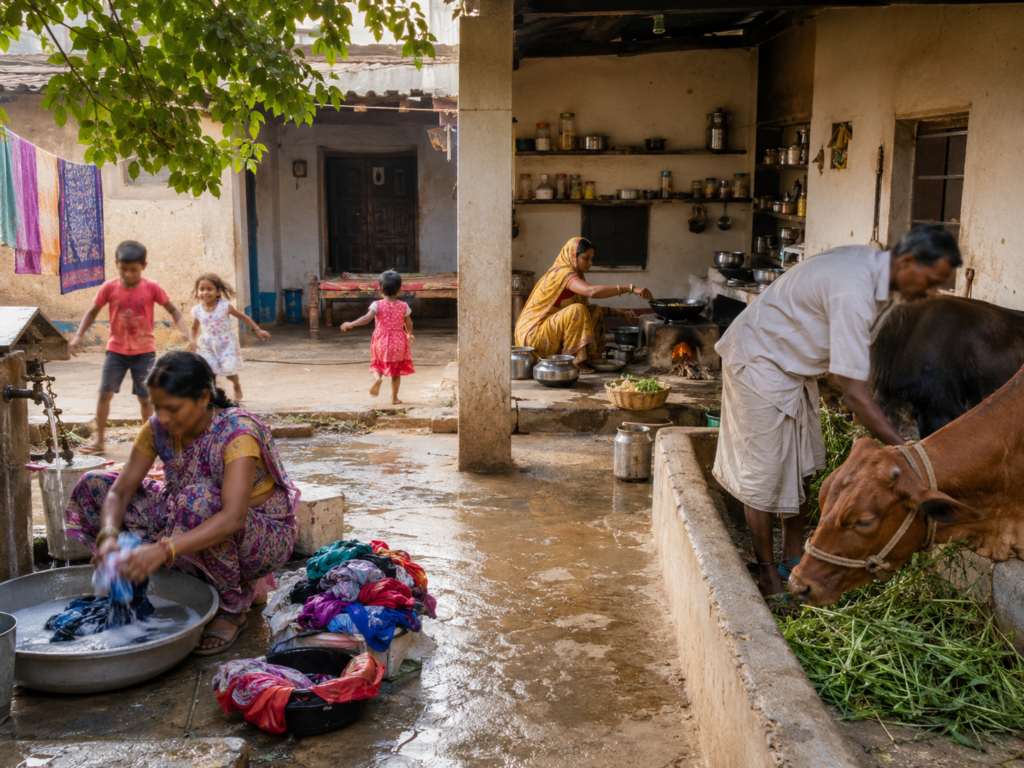
Can we listen without interrupting? Can we give time to those who need us? Can we accept that people grow at their own pace? Can we stop demanding that life always follow our preference?
Yoga does not remove responsibility. It helps us become more conscious of our responsibilities.
Without patience, love can become control, service can become a burden, and discipline can become enforced. With patience, our love becomes a means of giving, service comes from a purer motive, and discipline becomes nourishment for your soul.
This is why patience is central to a meaningful life.
Vedic Yoga Centre and healing
Healing also requires patience.
In Ayurveda, the body is understood as an intelligent system. Digestion, sleep, immunity, energy, emotion and mental clarity are all connected. When imbalance has developed over time, it cannot be corrected overnight.
At Vedic Yoga Centre, yoga and Ayurveda are brought together to support balance, restoration and self-awareness. Ayurveda treatments, diet, daily rhythm, rest and purification support the body, while yoga supports discipline and inner steadiness. All of our ayurveda therapies, especially our Panchakarma (de-tox) program combine both treatments and yogic practices for your healing.
However, healing still requires your participation.
If someone receives treatment but continues with the same restless habits, the result remains limited. Our healing requires our own co-operation. Patience helps us respect the body’s natural intelligence. It teaches us to give the body time to release, rebuild and return to balance.
The same is true emotionally and spiritually. Old patterns do not disappear overnight. We must practise new responses again and again.
A practical guide to cultivating patience in yoga and life
Patience must be practised deliberately. It grows through small, consistent steps.
- Start where you are – Acknowledge your current state of mind. Do not pretend to be more peaceful than you are. Honesty is the beginning of patience.
- Take small, consistent steps – Patience grows gradually. Set realistic goals for your practice and commit to them daily. Small steps taken daily are more powerful than random, intense practices.
- Practise mindfulness – When the mind wanders during yoga, pranayama or meditation, gently bring it back to the breath, mantra or chosen practice. Patience is built in these small moments of return.
- Trust the process – Every seed takes time to mature into a tree. In the same way, spiritual growth needs time. Continue nourishing your practice without constantly demanding proof.
- Practise non-expectation – Let go of the need for immediate results. Focus on sincere effort. Trust that every honest step is taking you closer to your inner Self and to the Source of life.
- Be compassionate towards yourself – When setbacks come, don’t be harshly self-critical. Transformation is a process. Each hurdle is an opportunity to exercise patience.
- Create a sankalpa – A sankalpa is a clear inner resolve or positive affirmation. Repeating it daily can help you stay on track and strengthen your commitment.
- Learn from nature – Observe the rhythm of nature. The seasons change, rivers flow, trees grow, and life evolves in its own time. Nature is a constant teacher of patience.
- Seek inspiration – Read the lives of saints, sages and sincere spiritual seekers. Their journeys remind us that struggle and perseverance are part of the path.
- Practise meditation and pranayama – Meditation and pranayama calm the mind, refine the breath and bring clarity of purpose. Both practices help us exercise patience in the moments when life tests us.
A traditional story on patience and selfless action
There is a beautiful teaching story about Sage Narada and a farmer planting mango trees.
One day, Sage Narada came across a farmer working in a mango grove. The farmer was planting trees with great care while humming peacefully. Narada saw his calmness and asked how he could remain so patient, knowing that the trees may not bear fruit for many years.

The farmer smiled and said, “I do my work with joy and faith. The mangos may not come for a long time, but when they do, they will feed many. My duty is as caretaker. The results are not in my hands.”
The farmer’s patience and wisdom touched Narada. This story teaches that patience, combined with consistent effort and acceptance of life’s natural flow, can bring unexpected blessings.
We must do our work. We must plant, nourish and protect the seed. But we cannot force the fruit to ripen before its time. This is true in nature … it is true in yoga … and it is true in life.
Patience protects the spiritual path
Spiritual impatience can become a serious obstacle.
Sometimes people want quick awakening, special experiences, visions, powers or recognition. This is another form of ego. The mind wants to achieve spirituality in the same way it seeks worldly success.
Traditional yoga does not support this attitude. The deeper path requires humility, purification, discipline, self-observation and surrender. These cannot be rushed. A person may understand spiritual concepts quickly, but lived realisation takes time.
Patience protects the path from fantasy and pride. It keeps the practice genuine.
At Vedic Yoga Centre, the student is encouraged to practise sincerely, observe honestly and live more consciously. The question is not how spiritual we appear. The question is whether practice is changing the way we live.
Living your patience at Vedic Yoga Centre
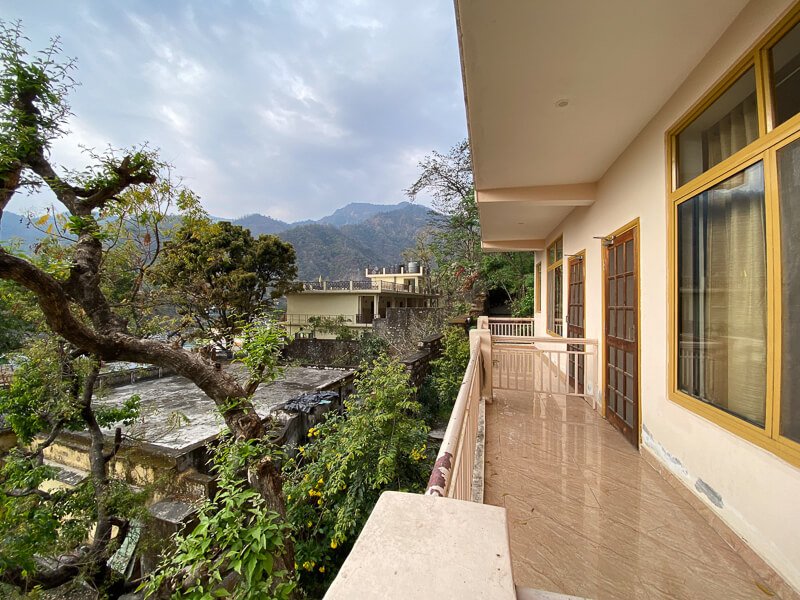
At Vedic Yoga Centre, patience is not treated as an idea to understand only during satsang or yoga practice. We provide a living environment where students can experience patience through daily routine, quiet reflection, practice, rest and simple conscious living.
Our accommodation supports this inner work by offering clean, private and peaceful rooms with appropriate amenities, so students have the space to withdraw from unnecessary distractions, settle the body and mind, and practise patience in ordinary daily moments. In this way, the stay itself becomes part of the yoga journey, allowing each person to live the teaching rather than only study it.
Conclusion: Patience in yoga is patience in life
Patience in yoga is not an isolated virtue. It is training for life. We practise patience:
- with the body so we can be patient with life’s limitations;
- with the breath so we can be patient with emotions;
- with the mind so we can be patient with ourselves and others; and
- in silence so we can stop reacting to inner noise.
Yoga is not only the ability to perform postures, sit in meditation or speak spiritual words. It is the art of becoming conscious in the mid-stream of life.
At Vedic Yoga Centre, Rishikesh, our traditional approach reminds us that practice must change the practitioner. If yoga does not make us more aware, more steady, more patient and more responsible in daily life, then we have missed the deeper purpose.
Watch this short Youtube video on patience from our Master Yoga teacher, Shailendra.