Makar Sankranti marks a meaningful turning point in the yogic calendar. Unlike many festivals that follow the cycle of the moon, this remembrance is based on the Sun’s actual movement. On January 14, 2026, Makar Sankranti reminds us that balance in life comes from aligning ourselves with the rhythms of nature, rather than opposing them.
Traditionally, this day marks the Sun’s shift into Capricorn and the beginning of Uttarayana, the northward movement of solar energy. From this point onward, days gradually become longer. At the same time, warmth slowly returns, and nature begins to move outward after a period of inward rest. As a result, our bodies and minds naturally respond to this change, whether we consciously notice it or not.
Yoga and Ayurveda have always recognised this transition as a powerful time for re-assessment, discipline and renewal.
Makar Sankranti in the yogic tradition
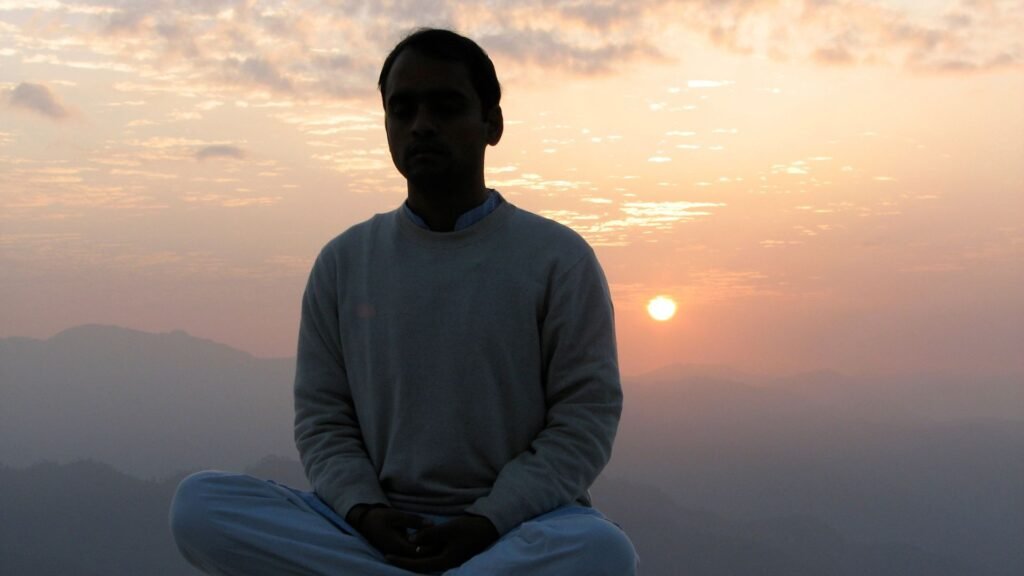
In yogic understanding, the Sun symbolises energy, clarity, awareness and disciplined effort. Therefore, the changing direction of the Sun makes it an ideal moment to reflect on the direction of your own energy and actions.
Rather than approaching Makar Sankranti as simply a cultural celebration, ancient traditionally treated it as a time to pause, reassess and realign. Age-old customs encourage simplicity, restraint and recommitment to daily sadhana (practice) during this period.
For this reason, Makar Sankranti has long been associated with:
- renewing spiritual discipline
- strengthening daily routine
- letting go of excess habits
- stabilising body/mind balance
These actions are not symbolic. Rather, they are practical responses to seasonal and energetic changes.
A natural shift from inertia to discipline
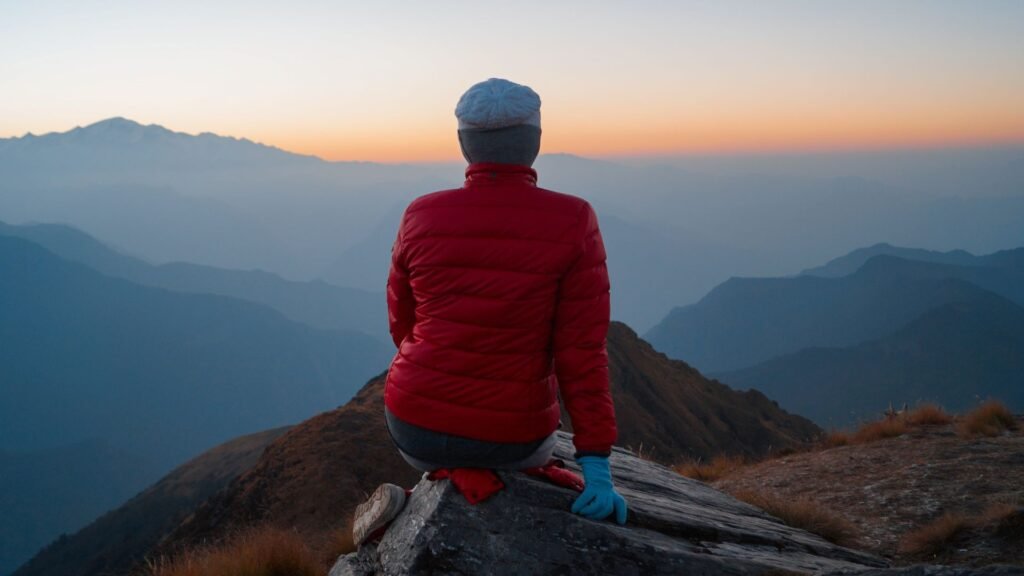
During the darker months, the body often accumulates heaviness. Digestion can weaken, motivation may decline, and mental clarity may become inconsistent. However, as the Sun begins its upward journey, nature again supports forward movement.
Because of this shift, Makar Sankranti is traditionally seen as the right time to reintroduce discipline. However, rather than pushing yourself, you move with the season.
Common traditional adjustments include:
- waking earlier and sleeping on time
- returning to regular asana and pranayama
- eating warm, simple, nourishing food
- reducing stimulants, sugar and overeating
- allowing space for silence, prayer or reflection
When these changes are introduced gradually, practitioners are able to respond positively. Over time, energy steadies, digestion improves, and the mind becomes clearer.
The inner purpose behind traditional observances
Many people associate Makar Sankranti with bathing in the Ganga, selfless service, fasting or prayer. However, these observances are not meant for belief or display. Rather, they are designed to purify and stabilise our system.
Bathing supports cleansing. Fasting lightens digestion and sharpens awareness. Selfless service reduces attachment. Meanwhile, prayer and mantra repetition help the mind turn inward and become steady. Together, these practices prepare you for a more disciplined and conscious phase of the year.
Why this period supports sadhana
Sadhana (practice) does not depend on motivation alone. It depends on rhythm, timing and consistency. Makar Sankranti offers natural support for all three.
As the external environment becomes more active, inner effort often becomes easier to maintain. Therefore, practices that felt difficult in previous months may now feel more accessible. This is why teachers traditionally recommended beginning or renewing discipline at this time.
However, it is essential to have an established routine:
- fix one clear time for practice
- keep the routine short but regular
- choose consistency over intensity
In this way, small steps lead to lasting change.
Bringing Makar Sankranti into daily life
You do not need to follow cultural customs to observe this transition. What matters is your motive and awareness.
You may wish to:
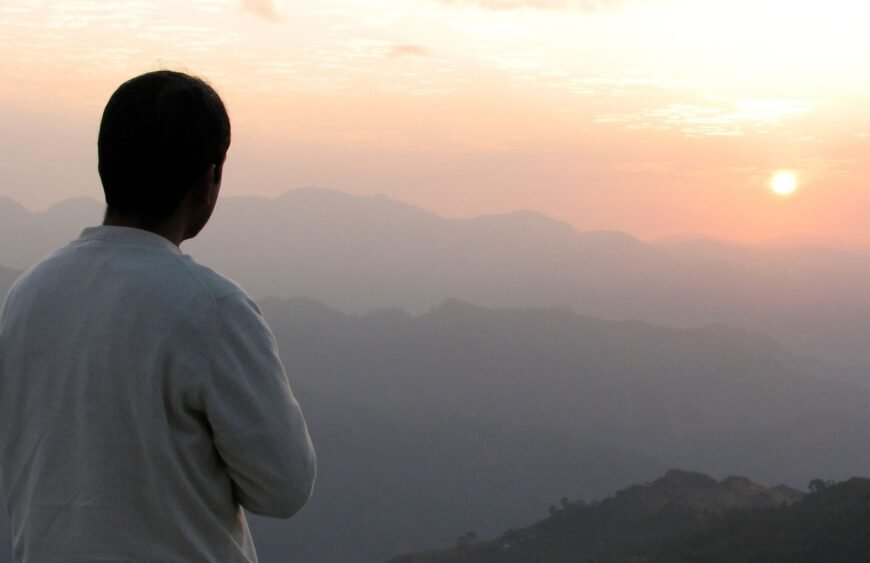
- sit quietly at sunrise and observe the breath
- repeat a simple mantra with attention
- re-establish a daily yoga or meditation routine
- consciously drop one habit that drains energy
When you conduct your practice within a set routine, you will see that you progress more spontaneously.
From outer light to inner clarity
While Makar Sankranti celebrates the return of light in the external world, its deeper teaching points inward. Yoga reminds us that clarity comes from conscious direction. Transformation happens through small, steady corrections made each day. Therefore, this festival is not about dramatic resolutions. Instead, it is about beginning again with patience and sincerity. It is a time to acknowledge your commitment:
- If your practice has weakened, it will help you return to it.
- If your routine has become scattered, you will see how to simplify it.
- If the mind has felt heavy, it will become easier to restore discipline.
A grounded beginning to the year ahead
Makar Sankranti does not promise results. It offers you an opportunity, but what unfolds depends on how consistently you respond.
As the Sun progresses northward, you can align your own path with it, through your ongoing inward journey, undertaken with patience and trust. Over time, this alignment strengthens the body, calms the mind and brings clarity into your life.
The spirit of Makar Sankranti at the Vedic Yoga Centre, Rishikesh
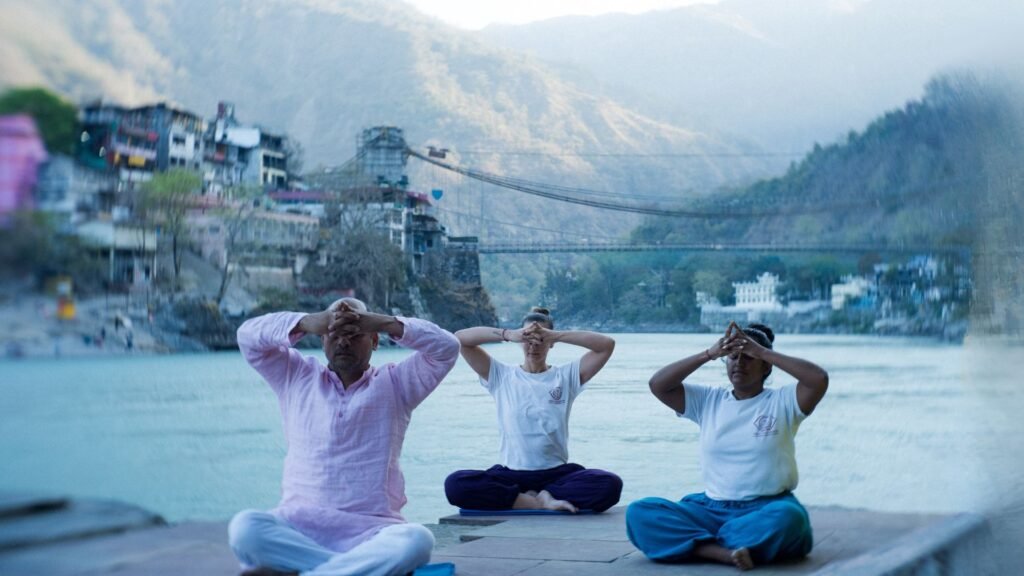
At the Vedic Yoga Centre, the essence of Makar Sankranti is not just observed on one day. Its principles are lived and applied through every program we offer. As a traditional yoga and Ayurveda centre, we see the inner journey as fundamental to genuine spiritual growth and healing. Therefore, we have woven discipline, simplicity, self-analysis and consistent practice into daily life here, not just as part of the annual Makar Sankranti celebration.
Through sadhana, meditation, chanting, silence, a yogic lifestyle and traditional teachings, you are encouraged to turn inward and align your body, mind and energy with this higher awareness. In this way, the spiritual meaning of Makar Sankranti becomes a continuous process rather than a single moment—encouraging you to move gradually towards clarity, balance and a deeper connection with your true Self.
Visit our website to see how our programs and therapies incorporate the fundamental aspects of Mahar Sankranti into our courses, classes and treatments, and visit us in Rishikesh to take advantage of our traditional programs. you can also view our YouTube channel to see all the motivational videos and practices that we have offered to date.