Why modern stress requires a deeper approach
You may not have noticed, but stress today appears in many forms. It shows up in your sleep, your digestion, your breath, your emotions and your energy. Although life has changed over the centuries, the human mind and body still function the same way. When you live under pressure for long periods, your systems become tired, and your inner balance weakens. Because of this, many people feel overwhelmed, even when they try their best to maintain stability. Have you ever considered ancient solutions for modern stress?
Ayurveda and yoga offer answers that are as relevant today as they were in ancient times. These systems recognise that stress affects every layer of your being, and therefore, healing must address all layers too. Panchakarma (detox), breath awareness, meditation, lifestyle discipline and Himalayan wisdom form a complete approach to holistic health. Although modern tools are helpful, the ancient sciences go deeper because they address the Source of imbalance, not just its symptoms.
In this blog, we explore how these ancient solutions for modern stress that will help you live with clarity and grounding, even when life becomes demanding.
Understanding modern stress
Although people often speak about stress, many do not understand how deeply it affects their internal functioning. Stress is not only a mental state. It influences your body, breath, energy, digestion, sleep and emotional patterns.
Common sources of modern stress include:
- Long working hours
- Cyber stimulation
- The need for ongoing decision-making
- Emotional load
- Unhealthy diet
- Insomnia and poor sleep
- Fast-paced routines
- Lack of proper rest
- Loneliness or disconnection from nature
- High societal expectations
While each factor seems manageable on its own, the combination weakens your nervous system. Ayurveda explains that this leads to an increase in Vata, the dosha (body nature) responsible for movement, nerve impulses, breath and mental activity. When Vata rises too high, your mind becomes restless, and your thoughts move too quickly. Because of this, you may struggle to concentrate, remain calm, or stay emotionally balanced.
Modern stress has become chronic. It stays with you even when you sleep or sit still. As a result, you eventually feel tired on all levels. Ancient systems offer solutions that reduce this tension from inside the body, not only at the level of thought.
Why ancient systems still work for modern stress
The sister sciences of Ayurveda and Yoga are based on principles that do not change with time. No matter what age we live in, the body still needs proper digestion, deep rest, a stable breath, and a calm mind to function well. Although your lifestyle may look modern, your body still follows ancient rhythms.
These ancient solutions for modern stress still work because:
- They address the cause of the imbalance
- They clear toxins and heaviness from the body
- They calm the nervous system
- They strengthen digestion and immunity
- They balance your energy channels
- They rebuild vitality instead of masking symptoms
Stress cannot be managed by the mind alone. It affects your whole being. Therefore, the healing process must work on the entire being as well.
Panchakarma: ancient purification method for a stressed body/mind
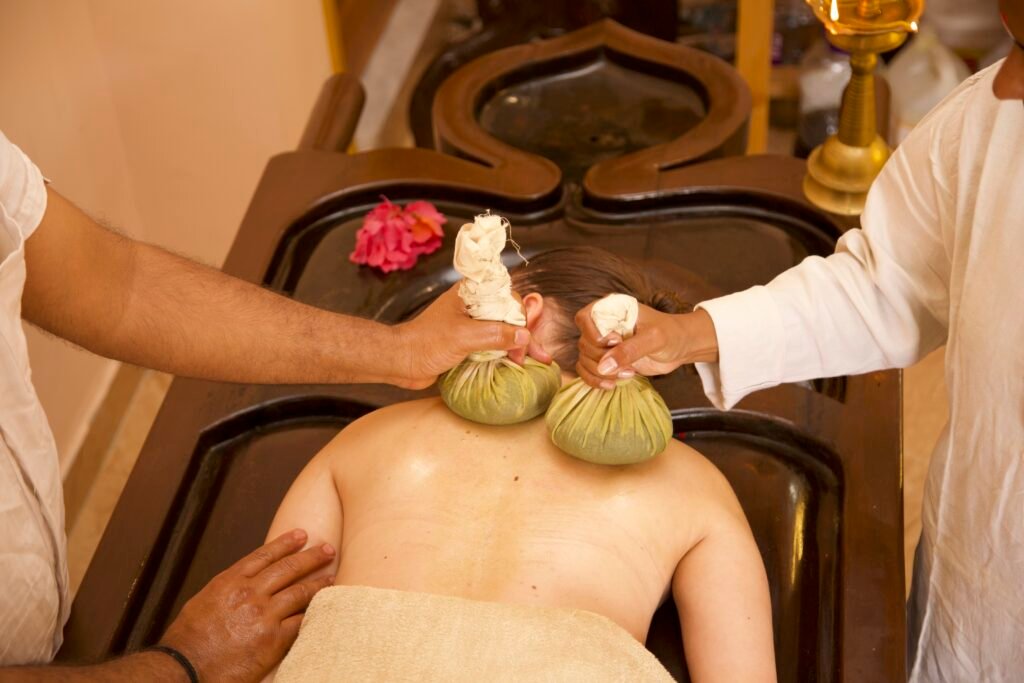
Panchakarma is a comprehensive Ayurvedic cleansing system. Although it is thousands of years old, it remains one of the most effective methods for modern stress and burnout.
Why Panchakarma is needed today
1. Stress leaves toxins in the body
When digestion becomes weak due to stress, the body produces ama. As a result, this sticky waste material blocks physical and energy channels. Panchakarma removes this, allowing your systems to function harmoniously again.
2. The nervous system needs rest and nourishment
Chronic stress makes the nervous system overactive. Panchakarma treatments calm the system by using warm herbal oils, cleansing therapies and a structured daily routine.
3. The mind becomes clearer when the body becomes lighter
Mental heaviness often comes from physical congestion. As the body detoxifies, the mind naturally becomes calmer and more stable.
4. Panchakarma resets your inner environment
Unlike short-term breaks, Panchakarma changes your internal functioning. This results in improved sleep, digestion, energy circulation and emotional steadiness.
5. Sustainable change requires purification
Ayurveda teaches that long-term change is possible only when toxins and disturbances are cleared. Otherwise, old patterns quickly return.
What Panchakarma includes
Although each program is personalised, the most common treatments include:
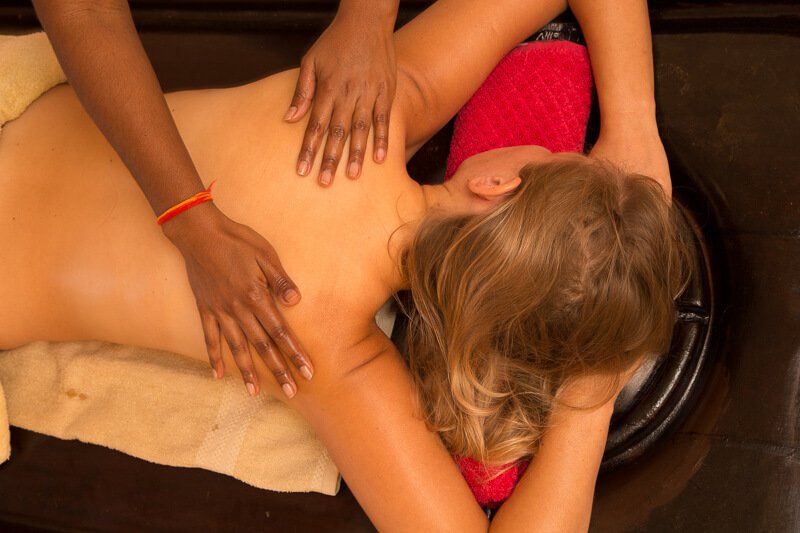
- Abhyanga (warm oil massage)
- Shirodhara (warm oil dripped on the forehead)
- Swedanam (herbal steam therapy)
- Basti (Ayurvedic enema to stabilise Vata)
- Nasya (nasal cleansing for mental clarity)
- Virechana (gentle cleansing for Pitta balance)

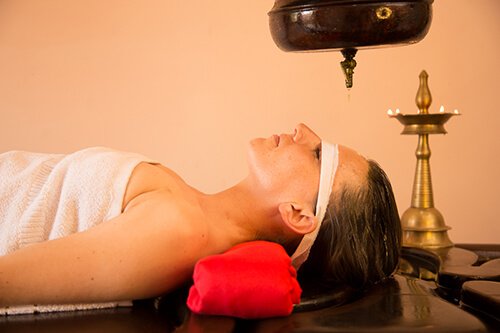
These therapies are supported by diet, herbal preparations and careful supervision from experienced Ayurvedic doctors and therapists.
How yoga supports the ancient process of Panchakamra
Ancient solutions for modern stress work because they are holistic – they affect the body, breath and mind, which are the foundation of a physical yoga practice. Therefore, the effects of Panchakarma will be multiplied when these are added. Yogic techniques help stabilise the detoxification process happening inside you.
Yoga asanas
Gentle movements help circulation and support the cleansing process. They release physical strain and create space within the body.
Breath awareness
Although stress often makes your breath short or shallow, simple breathing practices can help to ground the mind. Because the breath and mind move together – each affecting the other – training the breath directly helps to quieten the mind and assists emotional balance. The simple act of slower and deeper breathing is a perfect example of ancient solutions for modern stress.
Meditation
During cleansing, the mind becomes more sensitive, so practising meditation helps you watch your thoughts without judging them. This builds mindfulness and emotional resilience.
Yoga Nidra
Deep relaxation practices support mental rest. In yoga nidra, the body is completely at rest while the mind remains alert, watching the workings of your inner life. As a result, many people discover that this practice alone helps significantly in reducing anxiety.
Chanting
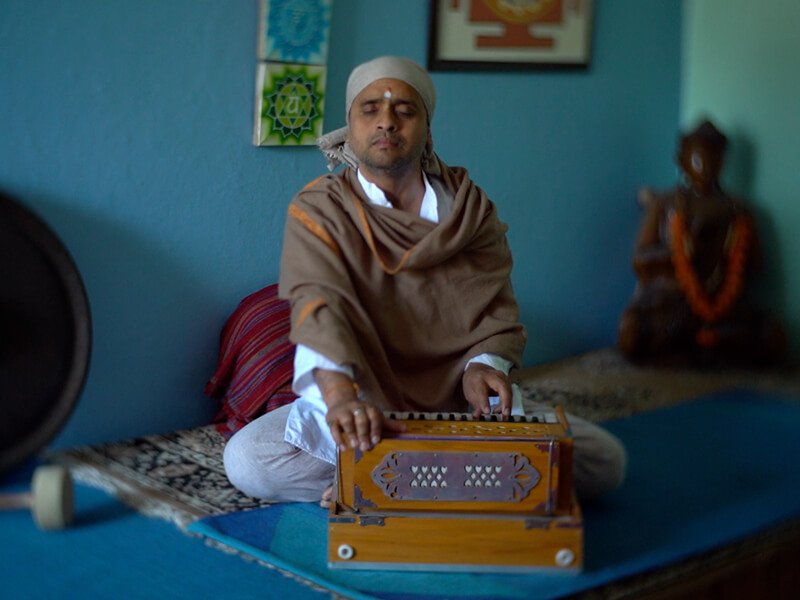
Chanting quietens the mind through observation of the sound. Simply listening to the sound and vibrations created by chanting mantras can shift your emotional state and help you feel more grounded.
Because of this, every Ayurveda program at the Vedic Yoga & Ayurveda Retreat Centre includes yoga and meditation alongside the treatments.
The mind–body connection in modern stress and healing
Although the body and mind may feel separate, they are two sides of the same experience. While stress affects the mind first, it quickly enters the body through the breath, digestion and nervous system, which in turn affects all the physical organs and systems.
Signs of mind–body imbalance include:
- Poor sleep
- Irregular appetite
- Anxiety
- Difficulty concentrating
- Low motivation
- Digestive discomfort
- Fatigue
- Emotional sensitivity
Ancient systems understand that stress cannot be healed by addressing the mind alone. Therefore, the body must also change. Then you will see that as the body becomes calm and less tense, the mind naturally follows.
Because of this, Panchakarma focuses on digestion and elimination first, while yoga focuses on breath and awareness. Together, they create a stable foundation for long-term peace.
The role of breath in managing modern stress
It is impossible to discuss body detoxification and stress management without addressing breath awareness. Your breath reflects your mental state. When you are stressed, your breath becomes short and uneven. However, when you are calm, your breath becomes smooth and steady.
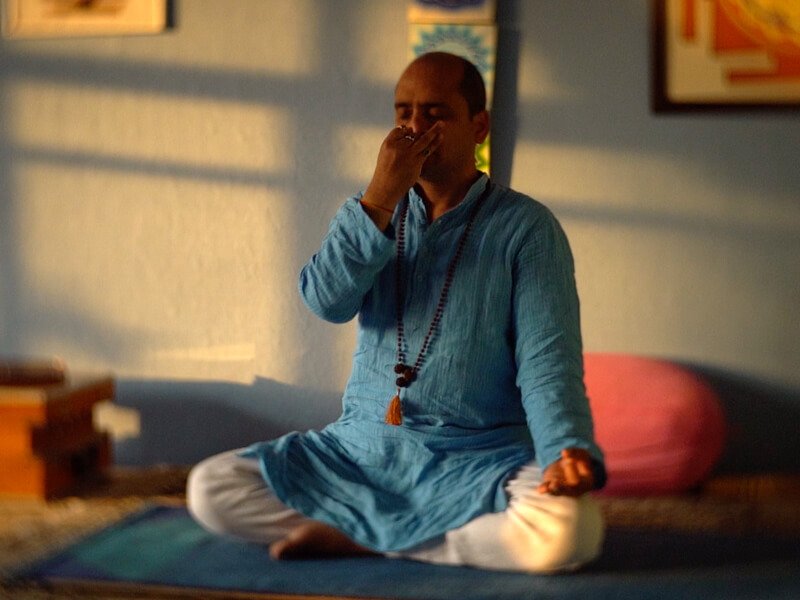
Breathing practices help because:
- They reduce the fight-or-flight response
- They calm the nervous system
- They support digestion
- They help you observe your emotions clearly
- They give you a practical tool to use anywhere
Because the breath is always with you, it becomes your most immediate support. Although you may not be able to control your external environment, you can manage your breath, which naturally leads to managing your mind.
This is why we include breath awareness in every Ayurvedic program at our Centre.
Ancient solutions of Himalayan wisdom for modern stress
At the Vedic Yoga Centre, we base all our practices and treatments on the wisdom handed down through the Himalayan tradition. In the daily evening satsangs (wisdom discussions), these teachings help you understand why stress arises and how to respond to it with clarity. Although the teachings are ancient, they apply directly to modern life.
Himalayan teachings often emphasise:
- Discipline in daily routines
- Simplicity in lifestyle
- Awareness of breath and thought
- The importance of inner silence and peace
- Consistency over intensity
- Service and humility
- Strengthening your inner foundation
These teachings offer practical guidance for everyday disturbances. They help you make conscious choices that support your peace rather than destabilise it.
Lifestyle adjustments that support long-term change


Ayurveda teaches that daily habits either heal you or disturb you. Because of this, our stress-management programs include lifestyle guidance.
Helpful adjustments include:
- Going to bed early
- Eating freshly prepared meals from fresh ingredients
- Reducing digital stimulation
- Maintaining a daily routine
- Spending time in silence
- Practising gentle yoga
- Using warm oil for self-massage
- Drinking warm water throughout the day
Although these changes appear simple, they build strong support for your nervous system.
Why these ancient solutions matter now
Modern life is fast-paced, complex and demanding. As a result, the mind and body carry more strain than ever before. Because stress enters through many channels, your healing must also address all of these inputs.
Ancient systems remain effective because:
- They clear physical toxins
- They strengthen digestion
- They stabilise the breath
- They calm the mind
- They support emotional release
- They rebuild vitality
- They offer wisdom for daily living
Stress is not a single problem. It is a pattern of life. Ancient systems help you change that pattern from the inside.
How the Vedic Yoga Centre supports your healing
Our Centre in the heart of Laxman Jhula provides an environment where cleansing and healing happen naturally. Many guests report feeling calm the moment they arrive, as the energy of the Himalayas and the sacred river Ganga create a peaceful atmosphere conducive to healing.
We combine:
- Authentic Panchakarma
- Traditional yoga
- Breath awareness
- Meditation
- Chanting
- Wisdom discussions
Because we offer everything in one place, you experience a complete approach to healing. As your body detoxifies and your breath becomes more steady, your mind naturally finds greater clarity about your ultimate purpose. As a result, you can more easily regain your balance and return home with renewed vitality and determination.
Final reflection
Stress will always be part of life. However, you can learn how to remain steady even when life becomes challenging. Ancient systems like Ayurveda and Yoga teach you how to take care of your body, calm your breath, and strengthen your mind. Panchakarma and stress-management programs help you reset your inner environment so you can live with clarity.
Ancient solutions continue to help because they respect how human beings truly function. When you combine detoxification, rest, breath awareness, meditation and simple living, you regain your natural balance.
Having read this post, you may reflect on which part of your life needs attention now. Taking one step towards healing can open the way for a more peaceful future.
Follow these YouTube links to know the benefits our guests have experienced from our Panchakarma and Stress Management programs.